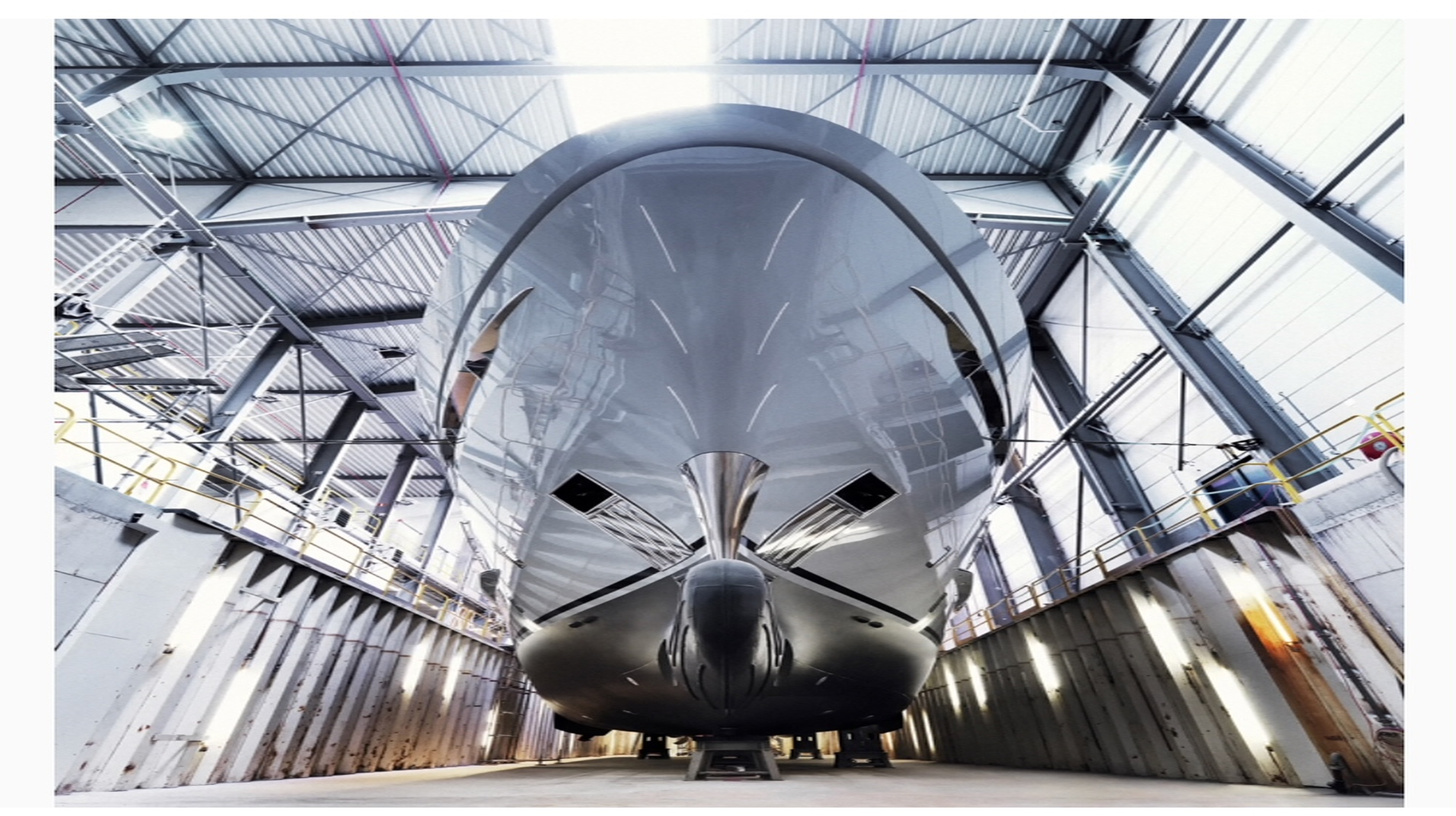
Jotun Yachting highlights 50% lower carbon footprint with Imperial fouling protection
Jotun has unveiled new analysis showing that its Imperial Fouling Protection System can deliver an
approximately 50% lower carbon footprint over a 30-year service life compared with a conventional
antifouling coating system, reinforcing the importance of effective hull protection in the superyacht
sector, notes a press release from the company.
Hull fouling remains one of the most significant yet overlooked factors affecting vessel efficiency. As
marine organisms accumulate on the underwater hull surface, drag increases, leading to higher fuel
consumption, greater emissions, and increased operating costs. In some cases, a fouled hull can add
more than 50% to a yacht’s annual fuel bill.
Designed specifically for the unique operating profiles of superyachts, Imperial uses advanced silyl
acrylate self-polishing technology to help maintain a cleaner hull over extended periods, even when
vessels spend significant time at anchor or operating at low speeds. The tailored approach enables
coating specifications to be matched to a vessel’s sailing pattern, voyage factor, and operating
environment.
The reduced carbon footprint is achieved through fewer maintenance cycles, lower paint
consumption, and reduced waste generation over the life of the vessel. Compared with a business
as-usual coating specification developed in collaboration with leading paint manufacturers and the
Water Revolution Foundation, Imperial uses approximately half the paint volume while maintaining
long- term performance.
“This is ultimately about giving owners strong performance while reducing environmental footprint
where possible,” said Tracey Warner, Regional Category Manager Yachting, Europe and Central Asia,
Jotun Performance Coatings.
Beyond efficiency gains, effective fouling protection also supports marine biosecurity by helping
prevent the transfer of invasive species between regions and reducing the need for underwater
cleaning operations.
Tags:
More Related News


Subscribe to Bi-monthly Coatings & Anti-Corrosion Newsletter
Coatings & Anti Corrosion Engineering Review is India’s premier bi-monthly B2B magazine on corrosion management. Subscribing to the magazine gives you access to a wide range of latest information including news products & services, technical articles, events & conferences, company profiles, personality interviews and more.
